
PLANET BE
Public Awareness and Information Campaign
on the Impacts of Environmental Pollution on Fertility and Reproductive Health
PLANET BE
Public Awareness and Information Campaign
on the Impacts of Environmental Pollution on Fertility and Reproductive Health
Welcome to a new planet of “Planet Be”! An initiative born from Embryolab Fertility Clinic, with a vision: to join forces to protect the most precious gift – our health and the environment that hosts us.
At the heart of “Planet Be” lies a deep belief: our well-being and our ability to create and raise healthy families are inextricably linked to the health of our planet. We cannot talk about fertility in isolation from the air we breathe, the water we drink and the world around us.

Today, our relationship with the environment is being tested more than ever. The effects of air pollution, the strain on water resources, our constant exposure to plastics and chemicals in our daily lives are not just environmental issues. They are increasingly emerging as direct threats to our hormonal balance and our ability to have children.
The aim of the “Planet Be” awareness campaign is to raise awareness among people of reproductive age about environmental pollutants linked to infertility problems, their sources, and the mechanisms by which they affect the reproductive system, while also suggesting ways to limit exposure to these factors and safer, alternative options.
Change begins with awareness and conscious action by all of us.
By choosing wisely, we protect our bodies and our reproductive health.
We create our own future.

The heart of “Planet Be” is the “Embryolab Green Team” – a group of scientists, researchers and reproductive health professionals who work to collect and record scientific studies regarding the effects of environmental pollution on our reproductive health with the aim of informing and raising public awareness and environmental action.
The “Embryolab Green Team” meticulously studied publications from scientific societies, research groups, as well as positions from European and international Organizations that study the field of Environmental Health in relation to human reproduction.
Infertility
The difficulty of having a child today is for many a frequent and emotionally painful event. Infertility affects one in six people today and does not discriminate, neither socially, nor economically, nor geographically.
The “Embryolab Green Team” meticulously studied publications of scientific societies, research groups, as well as positions of European and international Organizations that study the field of Environmental Health in relation to human reproduction.
There are many and varied reasons for the increasingly common problem of infertility. Postponing the decision to start a family until a more appropriate time or the right person comes, the importance of time and age, but also our lifestyle, diet, lack of exercise, smoking and alcohol consumption.
Also, medical issues combined with infertility problems are often factors that delay a pregnancy. Polycystic ovary syndrome and ovulation disorders, endometriosis, the presence of fibroids, as well as microbial infections are, among others, frequent factors of infertility.
In recent years, there is growing evidence that our exposure to chemicals in our daily environment, from the air we breathe, to the water we drink and the food we eat, are combined with both hormonal disorders and inflammation of our reproductive system. Suspended microparticles, hormone disruptors, heavy metals, all these substances can penetrate the human body and cause problems in the normal functioning of human reproduction.
The effects of environmental pollution on human health and fertility
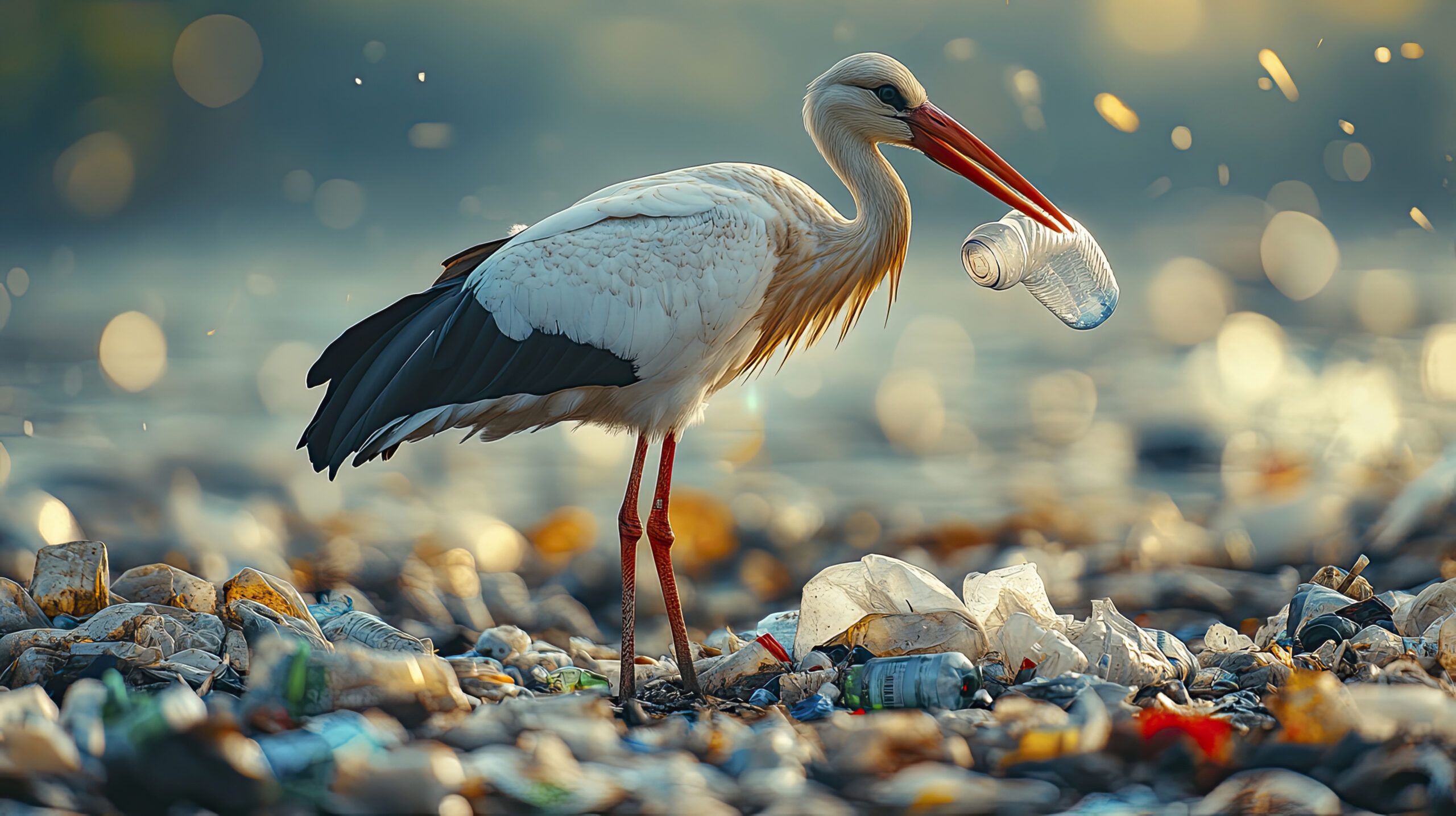
Environmental pollution is a silent threat to human health. According to the European Environment Agency, 94% of the urban population of EU member states is exposed to particulate matter above the World Health Organization’s safe limits, while the production of harmful chemicals in 2023 reached 167 million tonnes – a worrying figure that highlights the high exposure of the population to toxic substances. At the same time, noise pollution affects over 10 million European citizens every day, demonstrating our constant exposure to a wide range of environmental pollutants.
The consequences of this situation are serious and measurable. According to the European Environment Agency, environmental pollution is currently responsible for over 10% of human deaths in the 27 EU Member States, while 18% of serious cardiovascular diseases are associated with exposure to environmental pollutants. More than 10% of neoplastic diseases in Europe are attributed to exposure to environmental pollutants, such as air pollution, carcinogenic chemicals and passive smoking. All these factors highlight the urgent need for information and action to protect our health from the effects of pollution.
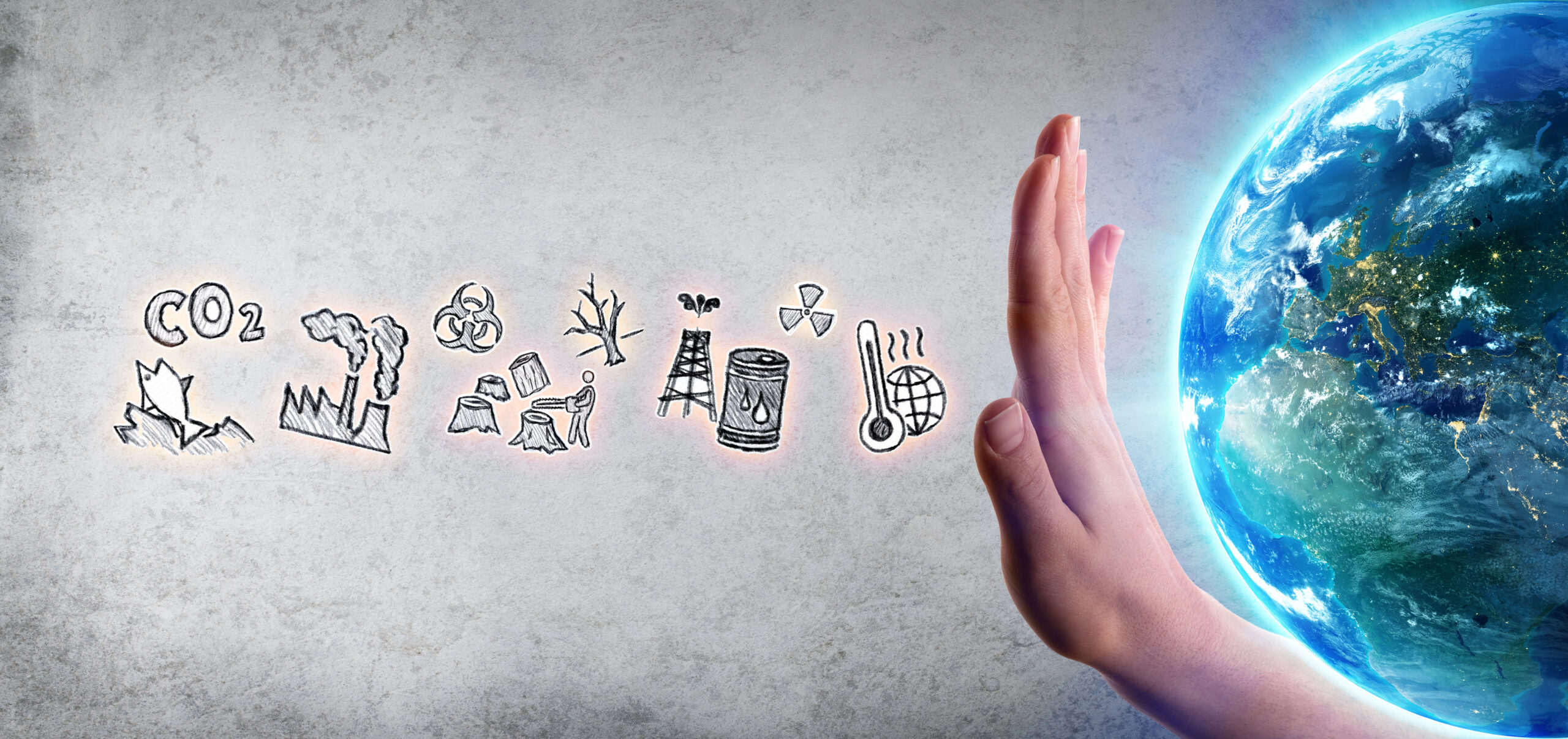
The sources of environmental pollutants are diverse and affect every aspect of our lives. From air pollution with suspended particulate matter and chemical gases, to water and soil contamination with heavy metals, pesticides and microplastics, our exposure to hazardous substances is constant.
In addition, chemicals found in everyday products, such as bisphenol A (BPA), phthalates and perfluorinated alkylated substances (PFAS), contribute to the burden on our body’s functioning, disrupting our endocrine system. Finally, exposure to increased temperatures and heat stress, as a result of global warming, as well as exposure to elevated levels, also burden health, highlighting how multifaceted the challenge we face is and how important it is to take protective measures.
Environmental Pollution and Reproductive Health
Scientific studies outline with alarming clarity the connection between environmental pollution and reproductive health. The effects are multidimensional and concern both female and male fertility:
Environmental pollutants and contaminants originate from a wide range of human activities, as well as natural phenomena, and their characterization and origin are critical for understanding and addressing them.
The main sources of pollutants include:
1) Industrial waste: Liquid and solid waste, as well as polluting gases originating from industrial facilities..
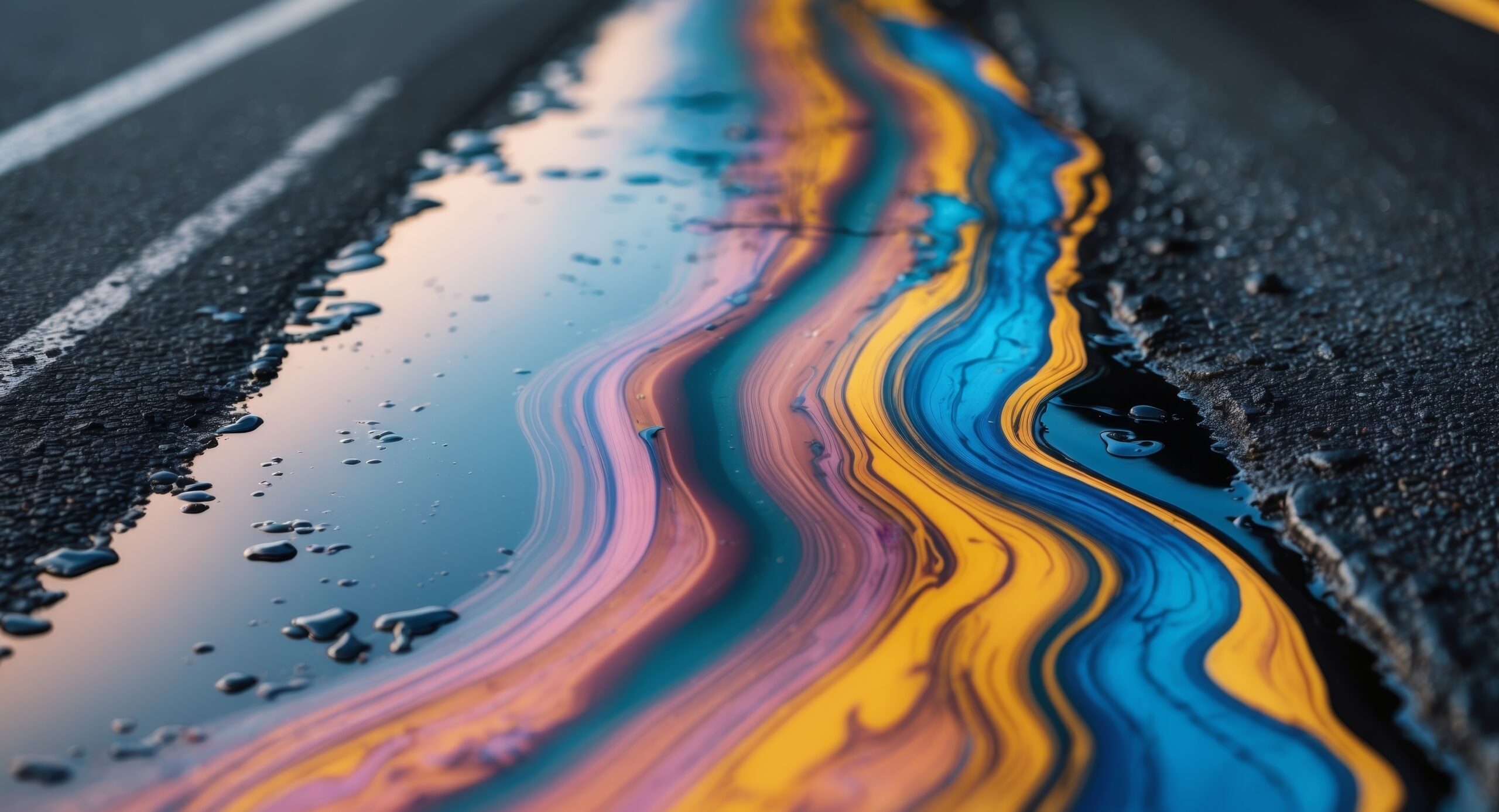
2) Hydrocarbon combustion: The combustion of fossil fuels for energy production, heating and vehicle propulsion emits exhaust gases and particulate matter.
3) Mining activity: The extraction of mineral resources releases heavy metals and dust into the environment.
4) Agricultural activities: Η The use of fertilizers, pesticides and waste management can contain heavy metals and harmful chemicals.
5) Chemical and Plastic Production: Non-biodegradable products, such as plastics and hormone disruptors, are used to process and make everyday items.
6) Personal care and household products: Contain chemicals and microplastics that can enter the human body.
7) Clothes and microfibers: Synthetic fabrics release microplastics that float in the air and can end up in water systems.
8) Tire ware out: Mechanical wear from continuous use releases microplastics and other pollutants..
9) Natural disasters: Fires and other natural phenomena release dust, carbon monoxide, and other pollutants.
10) Noise and temperature changes: Urban noise and global warming from human activities burden our body daily, increasing stress levels and disrupting its hormonal function.
Especially for reproductive health, the following have been identified as aggravating factors:
• Particulate matter (PM2.5 and PM10): They come from the combustion of hydrocarbons, fires, smoke, and dust..
• Gaseous pollutants: Such as NO2 and SO2 from the combustion of fossil fuels, ozone from photochemical reactions, CO and various VOCs (e.g. paints, solvents, deodorants).
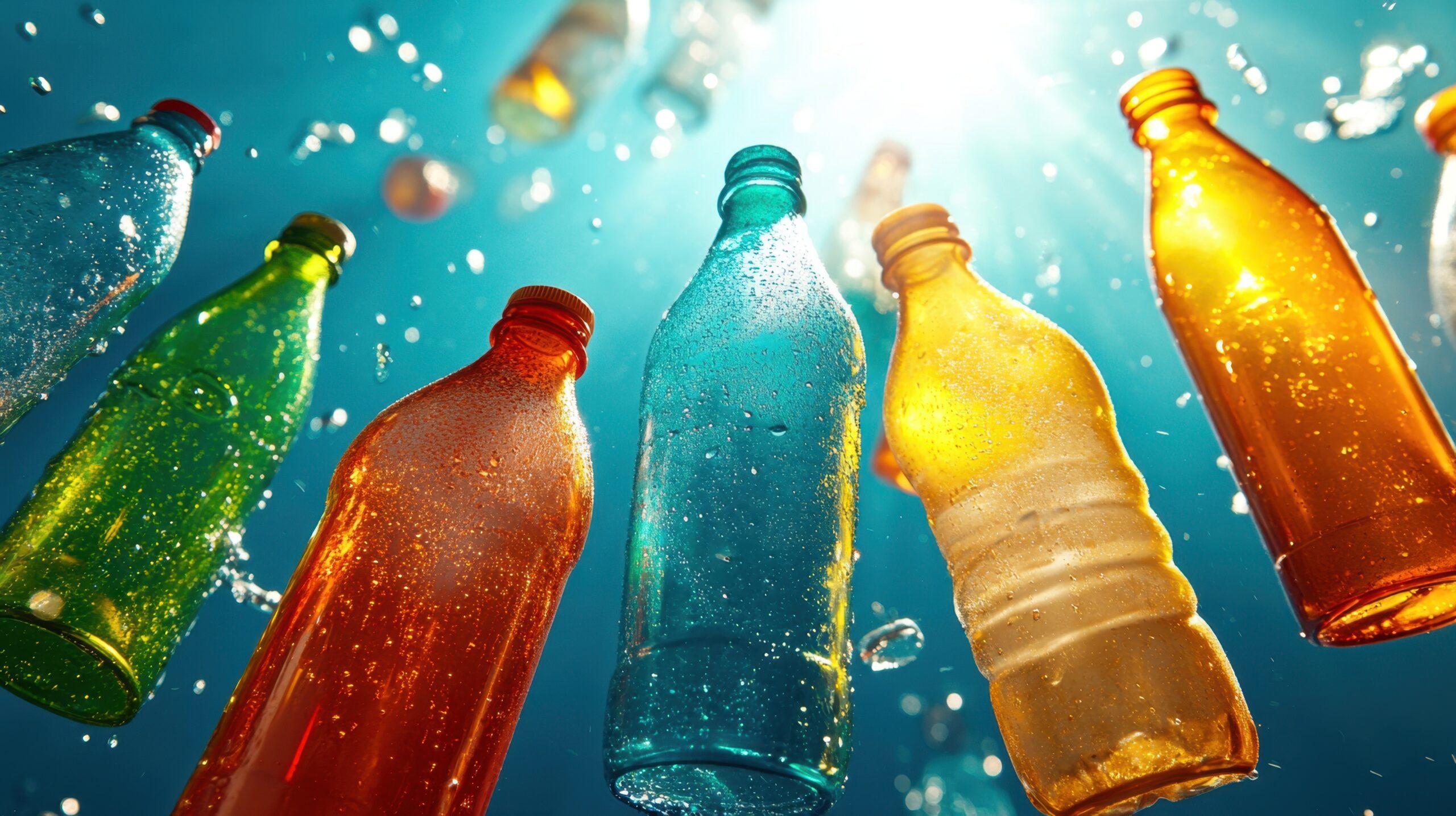
• Microplastics and nanoplastics: From plastic products, bottles, packaging, synthetic clothing and building materials.
• Heavy metals: Lead, mercury, cadmium, and arsenic, which come from industrial emissions and the burning of fossil fuels, from smoking, but also from the use of old water systems, or paints.
• Pesticides and insecticides: Chemical substances used in agriculture and can enter the human body, either through breathing or through the consumption of products contaminated by their use.
• Heat and noise και θόρυβος: Increased temperature and noise pollution worsen the state of environmental health and reproduction.
By what mechanisms do environmental pollutants affect fertility?
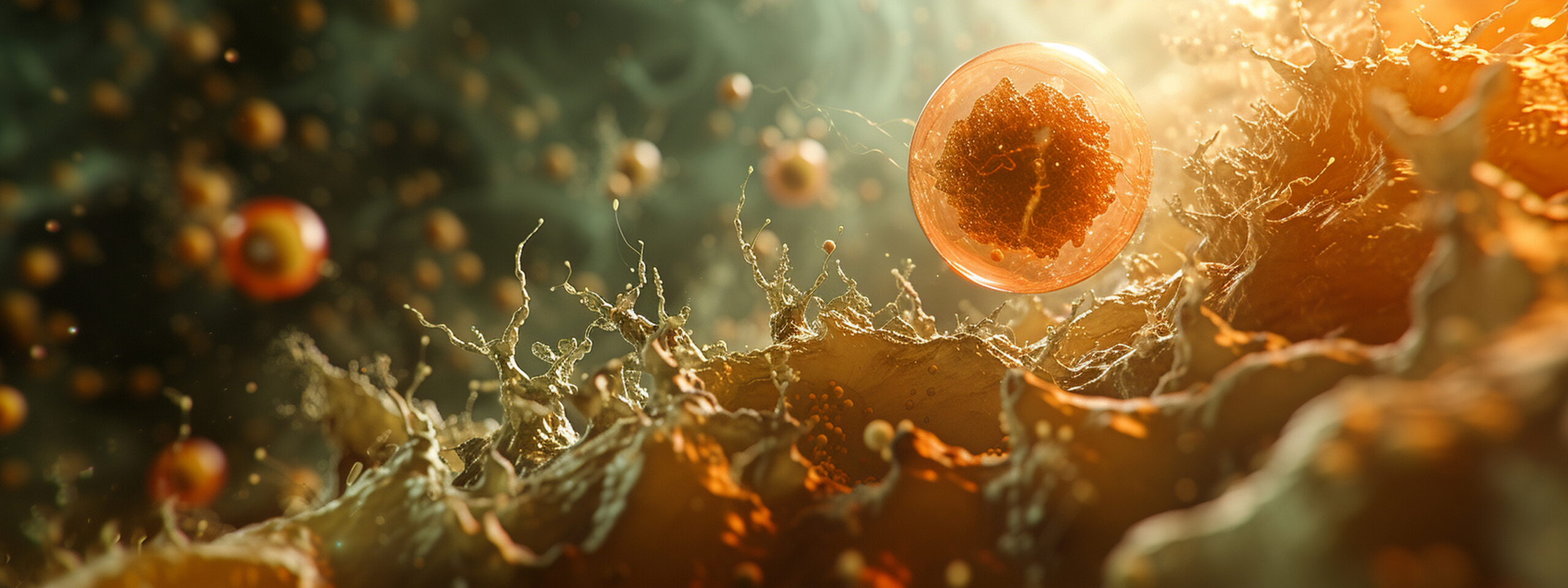
Environmental pollutants affect our reproductive health in various ways. First, by increasing the oxidative stress of our cells, exceeding the limits of our body and immune system’s ability to remove harmful substances, causing chronic inflammation and dysfunction.
Secondly, by acting as hormonal disruptors, confusing and misleading our hormonal system, sometimes acting as if they were imitating our body’s hormones,
multiplying hormonal action, while other times acting in an antagonistic manner with our hormones, causing a chaotic result and a dysfunction in the hormonal balance of our body.
Finally, they also act epigenetically, that is, they affect the expression of our genetic material, activating some genes and deactivating others, resulting in the loss of the normal function of our body’s organs.
How are environmental pollutants related to human reproduction?
Epidemiological and toxicological studies attribute a harmful effect of environmental pollutants on reproductive health!
Disorders of the onset of puberty
• Hormonal disorders in women’s periods and negative effects on ovulation
• Increased incidence of polycystic ovary syndrome
• Increased incidence of endometriosis
• Faster loss of ovarian reserves
Premature menopause
• Lower quality eggs
• Lower quality sperm
• Infertility
• Increased likelihood of miscarriage
• Increased likelihood of premature birth
• Increased likelihood of low birth weight
• Hormonal disorders in spermatogenesis
• Oligospermia
• Increased sperm DNA fragmentation and male infertility
• Congenital anomalies of the male reproductive system
• Testicular cancer
• Lower success rates in in vitro fertilization

Environmental Health Policies
European Union Actions in the Framework of Ensuring Environmental Health European Green Deal
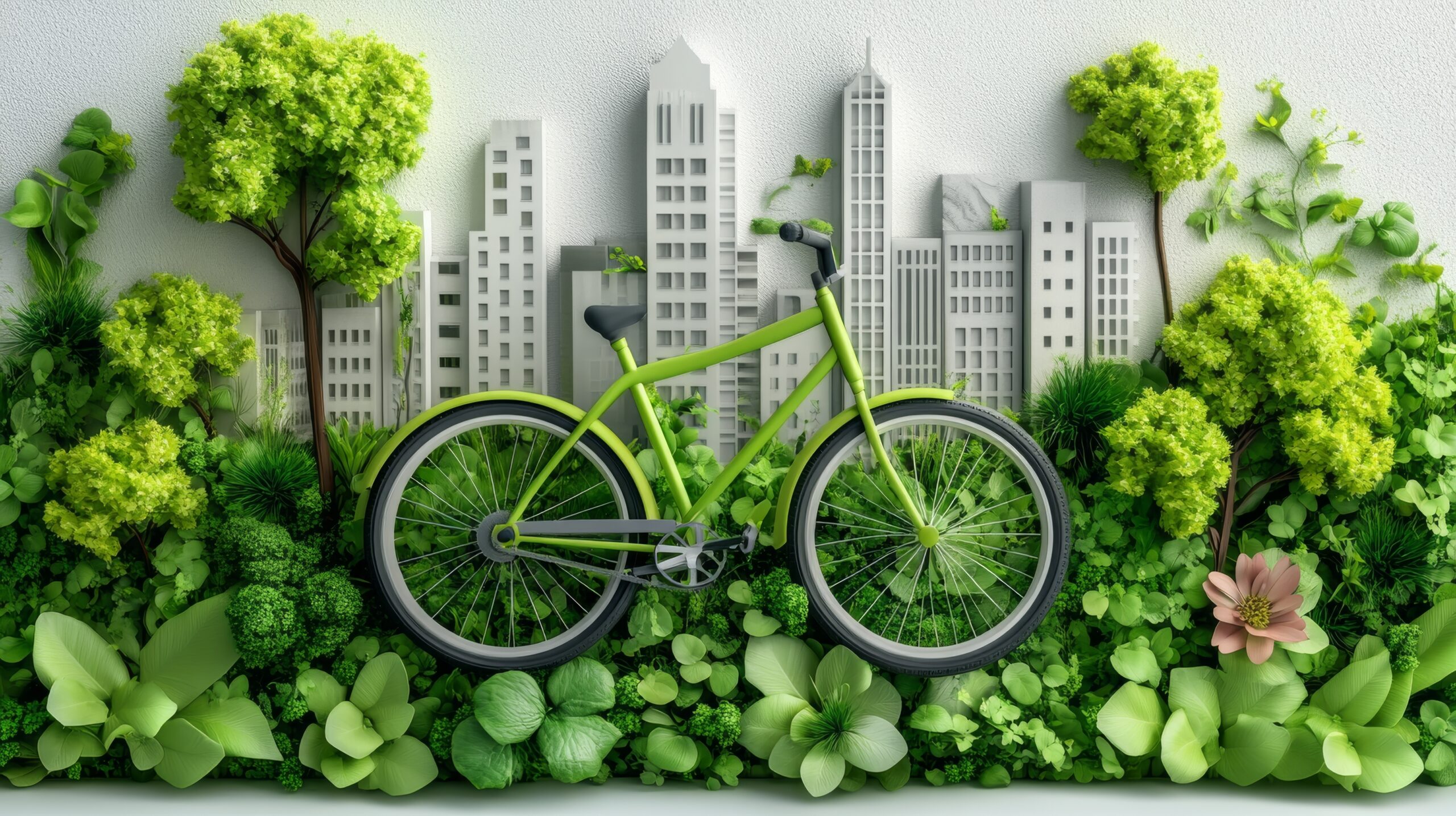
The European Green Deal is a comprehensive policy initiative of the European Union aiming to make Europe the first climate-neutral continent by 2050. It tackles climate change and environmental degradation by promoting sustainable economic growth and the transition to a low-carbon economy.
The European Green Deal seeks to balance economic growth with environmental sustainability, promoting innovation and creating job opportunities in green sectors, as part of a broader effort to combat climate change and strengthen resilience.
The Green Deal includes:
• Action for Climate
Commitment to reducing greenhouse gas emissions by at least 55% by 2030 compared to 1990 levels.
The European Green Deal seeks to balance economic growth with environmental sustainability, promoting innovation and creating job opportunities in green sectors, as part of a broader effort to combat climate change and strengthen resilience.
• Βιοποικιλότητα
Πρωτοβουλίες για την προστασία και την αποκατάσταση της βιοποικιλότητας, των οικοσυστημάτων και των φυσικών ενδιαιτημάτων.
• Biodiversity
Initiatives to protect and restore biodiversity, ecosystems and natural habitats.
•Transition to Green Energy
Shift towards renewable energy sources, energy efficiency and improving the energy efficiency of buildings.
• Circular Economy
Encourage resource efficiency, waste reduction and sustainable product design to minimize waste.
• Pollution reduction
Efforts to reduce air, water and soil pollution and ensure a cleaner and healthier environment for citizens.
Zero Pollution Action Plan
In 2021, the European Commission adopted the EU Action Plan: “Towards zero air, water and land pollution” – a key deliverable of the European Green Deal.
The European Zero Pollution Action Plan is a component of the broader initiative “Towards a Healthy Planet for All”, aiming to achieve a significant reduction in air, water and land pollution within the EU by 2030. The plan highlights the importance of protecting ecosystems and public health by mitigating pollution levels and promoting sustainable practices.
Goals and Actions
The Zero Pollution Action Plan sets out specific targets for reducing pollution, including regulatory measures, initiatives to improve air and water quality, and efforts to remediate contaminated sites. These targets include:
• improving air quality to reduce the number of premature deaths caused by air pollution by 55%,
• improving water quality by reducing litter, marine plastic debris (by 50%) and microplastics released into the environment (by 30%),
• improving soil quality by reducing nutrient losses and the use of chemical pesticides by 50%,
• reducing by 25% the number of EU ecosystems where air pollution threatens biodiversity,
• reducing by 30% the proportion of people chronically bothered by transport noise, and 1. significantly reducing waste generation and by 50% the amount of residual municipal waste.
Cross-sectoral approach
Encourages a holistic approach involving all stakeholders, monitoring and reporting, leveraging innovation across sectors, including transport, agriculture and industry, to ensure that solutions address multiple sources of pollution.
REACH regulation for the evaluation of chemical products in the European Union
The abbreviation REACH stands for “Registration, Evaluation, Authorization and Restriction of Chemicals”. It is a regulation implemented by the European Union to ensure that chemicals used in industry and consumer products are safe for human health and the environment.
Registration: Companies must provide detailed information about the chemicals they produce or import, including their properties and uses.
Assessment: Authorities evaluate the information submitted to identify any potential risks that chemical products may pose.
Approval: Some chemicals considered very hazardous may require a special permit before use.
Restriction: Certain substances may be banned or restricted if they pose significant risks to health or the environment.
Relationship to environmental health: REACH contributes to the protection of the environment by ensuring that potentially harmful chemicals are managed properly.
By evaluating and controlling substances, it aims to reduce pollution, protect biodiversity and safeguard water and soil quality, ultimately contributing to overall public health and environmental sustainability.
What does the Embryolab Green Team recommend to limit our exposure to environmental pollutants and protect our fertility?
Small, simple changes in everyday life can make a big difference. Because, let’s face it, our small actions have an impact – for us, for society and for the children who may come!!
It may seem simple to you, but think about how many devices we touch every day – mobile phones, computers… A good hand washing before cooking or eating can remove many unwanted pollutants.
• Instead of plastic containers for food and water, prefer glass or stainless steel ones. They are safer and reusable!
• Do not put plastics in the microwave. The heat can release harmful substances into our food.
• Even in school supplies, we can find more “friendly” options instead of plastic rulers and notebooks.
• In the kitchen, stainless steel and ceramic utensils are excellent allies instead of non-stick ones with coatings that may contain harmful substances.
• A good water filter can reduce microplastics and heavy metals from our water.
• Fruits and vegetables are a treasure, but let’s prefer seasonal ones. We wash them thoroughly under running water for 15-20 seconds, even if we peel them, to remove any residues of heavy metals and pesticides.
• Less fat from meat and dairy products can reduce the intake of microplastics that may accumulate there.
• Fish? Yes, but in moderation, as large deep-sea fish such as swordfish and tuna, and shellfish, may contain heavy metals and microplastics. We prefer to consume Greek fish such as sardines, anchovies, cod, and shrimp more often.
• We put foods rich in sulfur, amino acids, iron, and vitamin C on our plate, as well as fruits and vegetables with pectin – they can help the body eliminate heavy metals.
• Coffee and chocolate? Yes, but in moderation!
• Homemade food is always the best choice! We limit processed foods that may contain microplastics.
• We add color to our diet with many different vegetables!
• A nice herbal tea is preferable to packaged drinks. And if we use canned food, we wash the outside before opening it.
• If our job involves exposure to heavy metals, we make sure we have the appropriate protective equipment.
• We always take off our work clothes and shower before returning home, so as not to transfer pollutants.
• If our house is older than 30 years, we check for lead paint and take measures if necessary.
• We read labels and look for products without phenols, parabens and phthalates. There are many safe alternatives!
• We reduce the use of strong fragrances in colognes, candles and air fresheners.
• We prefer sunscreens with natural filters instead of chemicals.
• We try to avoid waterproof coatings, clothes that do not stain easily or those with sun protection (SPF) from chemicals, as well as clothes that do not wrinkle much.
• We wash clothes only when necessary, in this way we can reduce the release of microfibers and microplastics.
• We limit outdoor activities when air pollution is high and avoid intense exercise in these conditions.
• A good air purifier can help filter microparticles and microplastics from the air in the house.
• We vacuum instead of a classic hand vacuum, so that microplastics are not recycled.
• We choose natural household cleaners and make sure to have good ventilation when cooking or when using products with a strong odor.
• We keep the car tires at the correct pressure.
• If we are moving in areas with a lot of smog, an N95 mask can offer some protection.
• And most importantly: we DO NOT smoke and DO NOT vape! They are among the most harmful habits for health and fertility.
Small, simple changes in our daily lives can make a big difference. We do not need to change everything from one day to the next. Every small step towards a healthier environment is a step towards protecting our health and our fertility.
“Planet Be”
With the power of knowledge and science, to awaken everyone’s sensitivity to reproductive health, to the invisible, but real, environmental pollutants that are linked to difficulties in having a child.
Our goal is to realize how close, how together we live daily with these pollutants, to understand how they can affect our sensitive reproductive system, but above all, to propose practical ways to limit our exposure and make safer, alternative choices in our daily lives.
Change, let us remember, starts with each of us. From the moment we acquire knowledge, we also have the power to act consciously. Every small choice we make, every conscious movement, has an impact – on our health, on the environment and on our future.
Let us choose wisely. Let us protect our bodies, this unique gift, and let us take special care of our reproductive health. Because through our actions today, we create our future – the future of our children and the world.
Schedule your appointment with Embryolab today!




